
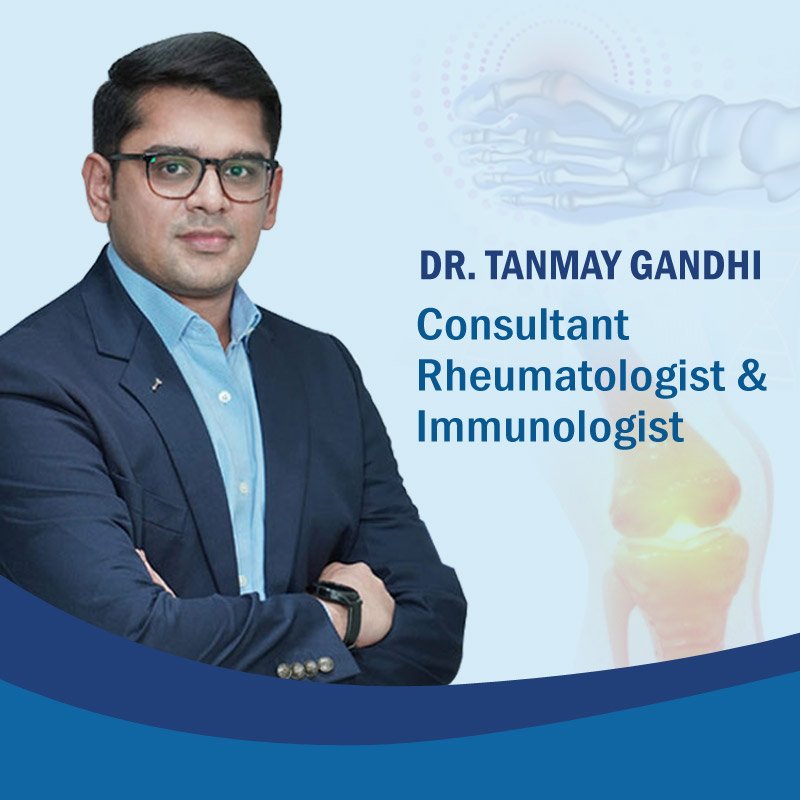
Reactive Arthritis Treatment in Nagpur by Dr. Tanmay Gandhi : Reactive Arthritisis a painful inflammatory condition that develops as a reaction to an infection in another part of the body. It commonly affects joints, eyes, urinary tract, and skin, leading to symptoms like joint pain, swelling, stiffness, and fatigue. At ImmunoCare – Advanced Rheumatology & Clinical Immunology Centre in Nagpur, patients receive expert care from a highly Experienced Rheumatologist for accurate diagnosis and advanced Reactive Arthritis Treatment tailored to individual needs.
Understanding Reactive Arthritis
Reactive Arthritis is classified under autoimmune and inflammatory joint diseases. It usually occurs after bacterial infections, particularly in the gastrointestinal or genitourinary system. Early diagnosis and timely treatment are crucial to prevent long-term joint damage and complications.
Common symptoms include:
- Joint swelling and pain (especially knees, ankles, feet)
- Lower back pain similar to Ankylosing Spondylitis
- Eye inflammation (redness, irritation)
- Urinary discomfort
- Skin rashes or lesions
- Chronic fatigue
Expert Care by Dr Tanmay Gandhi
Dr Tanmay Gandhi is a renowned Experienced Rheumatologist and Clinical Immunologist practicing in Nagpur, known for his expertise in diagnosing and managing complex autoimmune conditions like Reactive Arthritis. With advanced training, precision-based diagnosis, and patient-focused care, he ensures effective Joint Swelling Treatment and long-term disease control. His approach integrates modern therapies such as Immunosuppressants Treatment and Biologics for Autoimmune Diseases, ensuring faster recovery and improved quality of life.
Advanced Diagnostic Approach
At ImmunoCare, diagnosis is thorough and precise to ensure targeted treatment:
- Detailed clinical evaluation of symptoms and medical history
- Laboratory investigations for infection markers and inflammation
- Immunodeficiency Diagnosis where required
- Imaging tests (X-rays, MRI) to assess joint involvement
- Biopsy for Autoimmune Disease in complex cases
Step-by-Step Treatment Procedure
The treatment of Reactive Arthritis at ImmunoCare follows a structured, evidence-based approach:
- Infection Control – Treating the underlying infection with appropriate medications
- Pain Management – Use of anti-inflammatory drugs for relief
- Immunosuppressants Treatment – Controlling immune system overactivity
- Biologics for Autoimmune Diseases – Advanced therapy for severe or persistent cases
- Physiotherapy – Improving joint mobility and strength
- Long-Term Monitoring – Preventing relapse and managing chronic symptoms
Why Choose ImmunoCare for Reactive Arthritis Treatment?
- Expert-led treatment by a highly skilled rheumatologist
- Advanced therapies including biologics and immunotherapy
- Multidisciplinary Autoimmune Clinic approach
- Accurate diagnosis with modern investigations
- Personalized treatment plans for every patient
- Comprehensive care addressing all associated symptoms
Associated Conditions Managed
Patients with Reactive Arthritis may also benefit from treatment of related conditions:
- Ankylosing Spondylitis Treatment
- Psoriatic Arthritis (PsA) Treatment
- Lupus Treatment
- Eczema Treatment (Allergic)
- Autoinflammatory Diseases Treatment
- Chronic Pain Rheumatologist care
- Chronic Fatigue Syndrome Specialist support
- Dry Eyes Dry Mouth Specialist (for Sjögren’s)
Frequently Asked Questions (FAQs)
- What causes Reactive Arthritis?
It is usually triggered by bacterial infections in the gut or urinary tract. - Is Reactive Arthritis permanent?
In many cases, it resolves with treatment, but some patients may develop chronic symptoms. - When should I see a rheumatologist?
If joint pain, swelling, or stiffness persists for more than a few weeks. - Are biologics required for all patients?
No, Biologics for Autoimmune Diseases are used in moderate to severe cases when standard treatment is not effective. - Can Reactive Arthritis be cured?
While not always completely curable, it can be effectively managed with early and proper treatment. - How long does recovery take?
Recovery varies from weeks to months depending on severity and treatment response.
If you are experiencing persistent joint pain or symptoms of autoimmune disease, timely consultation can make a significant difference in preventing complications and restoring a healthy, active life.