
Difference Between an Orthopedic Doctor and a Rheumatologist
Joint pain, stiffness, swelling and difficulty in movement can have many different causes. While both orthopedic doctors and rheumatologists treat musculoskeletal problems, their areas of expertise and treatment approaches are different. Understanding the difference can help patients choose the right specialist for their symptoms and receive appropriate care at the right time.
What Does an Orthopedic Doctor Treat?
An orthopedic doctor primarily focuses on the bones, joints, muscles, ligaments, tendons and other structural components of the musculoskeletal system. Orthopedic care is particularly important when symptoms are related to injuries, structural abnormalities or conditions that may require surgical intervention.
- Bone fractures and sports injuries
- Ligament and tendon injuries
- Joint injuries and structural problems
- Degenerative joint conditions
- Spinal and musculoskeletal problems
- Joint replacement requirements
- Conditions requiring orthopedic surgery
What Does a Rheumatologist Treat?
A rheumatologist specializes in arthritis, inflammatory conditions, autoimmune diseases and disorders affecting joints, muscles and connective tissues. Rheumatologists generally focus on identifying the underlying cause of inflammation and controlling the disease through medical management.
- Rheumatoid Arthritis
- Osteoarthritis
- Gout
- Psoriatic Arthritis
- Ankylosing Spondylitis
- Lupus and other autoimmune diseases
- Fibromyalgia and chronic pain conditions
- Reactive arthritis
- Other inflammatory and connective-tissue disorders
Orthopedic Doctor vs. Rheumatologist: The Main Difference
The simplest way to understand the distinction is to consider whether the primary problem is structural or inflammatory/immune-related.
Rheumatology care focuses on inflammatory, autoimmune and systemic diseases that can affect joints, muscles, connective tissues and sometimes other organs.
However, there can be significant overlap. Some patients may require evaluation by both specialists, particularly when degenerative joint disease, inflammation or structural damage occur together.
When Should You See an Orthopedic Doctor?
An orthopedic consultation may be appropriate when joint or bone symptoms are associated with an injury or suspected structural problem.
- Sudden injuries or suspected fractures
- Persistent pain following an accident or sports injury
- Severe movement restriction following an injury
- Known structural joint problems
- Ligament, tendon or cartilage injuries
- Conditions that may require orthopedic surgery
When Should You See a Rheumatologist?
A rheumatologist may be the more appropriate specialist when joint symptoms are persistent, recurrent, inflammatory or associated with other unexplained symptoms.
- Persistent joint pain or swelling
- Prolonged morning stiffness
- Pain affecting several joints
- Recurring episodes of joint inflammation
- Unexplained fatigue along with joint symptoms
- Symptoms affecting both sides of the body
- Suspected rheumatoid arthritis or another autoimmune condition
- Recurring gout attacks
How Does a Rheumatology Evaluation Work?
A rheumatology consultation generally begins with a detailed discussion about the patient’s symptoms, duration of pain, stiffness, previous treatments and medical history. The doctor then examines the affected joints and looks for signs of inflammation or systemic disease.
- Detailed medical and symptom history
- Joint and musculoskeletal examination
- Blood investigations when clinically required
- Imaging studies when appropriate
- Assessment of inflammatory and autoimmune markers
- Evaluation of disease severity and associated conditions
Treatment Approaches Used by a Rheumatologist
Treatment depends on the specific diagnosis, severity of disease, age, medical history and response to previous treatment. Management may involve medicines, physiotherapy, lifestyle modifications, joint procedures or advanced therapies when indicated.
- Disease-control therapies
- Immunosuppressants for selected autoimmune diseases
- Biologics for autoimmune diseases when appropriate
- Joint injections in selected cases
- Physiotherapy and rehabilitation
- Exercise and lifestyle guidance
- Regular monitoring and treatment adjustment
Can You Need Both an Orthopedic Doctor and a Rheumatologist?
Yes. In some cases, orthopedic and rheumatology care complement each other. For example, a patient with long-standing inflammatory arthritis may develop structural joint damage that requires orthopedic assessment, while the underlying inflammatory disease continues to require rheumatology management.
Why Choose Dr. Tanmay Gandhi for Rheumatology Care?
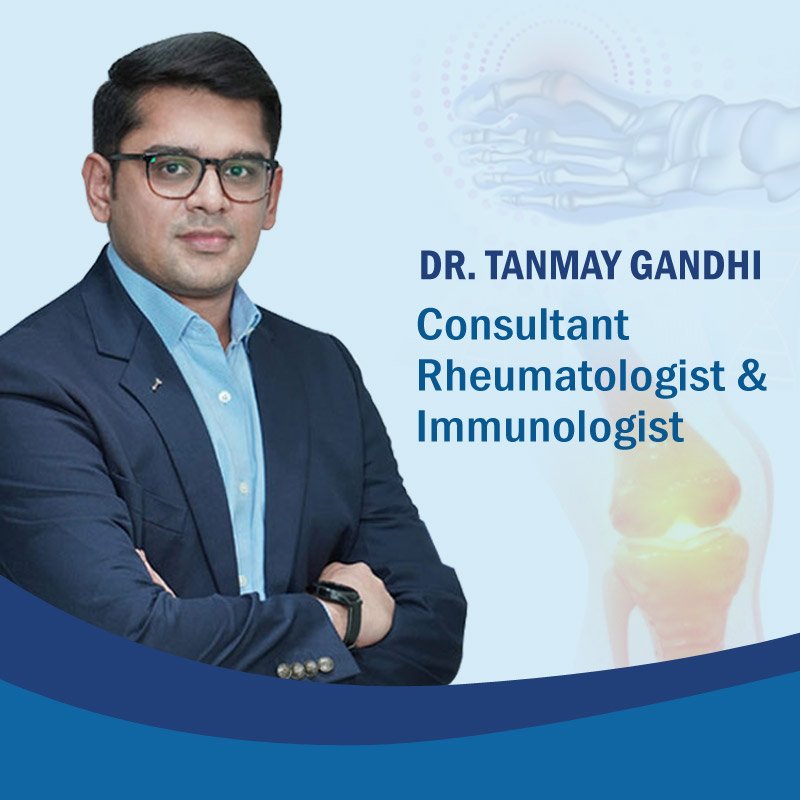
Dr. Tanmay Gandhi has specialized expertise in Rheumatology and Clinical Immunology, with a clinical focus on arthritis, autoimmune disorders, chronic pain and inflammatory diseases. His treatment philosophy emphasizes careful diagnosis, evidence-based management, patient education and appropriate long-term follow-up.
For patients seeking comprehensive specialist care, ImmunoCare – Advanced Rheumatology & Clinical Immunology Centre provides a focused setting for rheumatology and clinical immunology consultation.
Frequently Asked Questions
Is a rheumatologist the same as an orthopedic doctor?
No. Both specialists treat musculoskeletal conditions, but their primary areas differ. Orthopedic doctors focus more on structural problems, injuries and surgical conditions, while rheumatologists specialize in inflammatory, autoimmune and systemic rheumatic diseases.
A rheumatologist is generally the appropriate specialist for rheumatoid arthritis because it is an inflammatory autoimmune disease requiring long-term disease management.
Should I see an orthopedic doctor or rheumatologist for knee pain?
It depends on the cause. Pain following an injury or associated with a structural problem may require orthopedic evaluation, whereas persistent swelling, prolonged stiffness or suspected inflammatory arthritis may require rheumatology assessment.
Can a rheumatologist treat gout?
Yes. Rheumatologists can evaluate recurring gout and develop a long-term management plan aimed at controlling inflammation and reducing future attacks.
Can a rheumatologist treat chronic back pain?
A rheumatologist can evaluate back pain when an inflammatory cause is suspected, particularly when symptoms suggest conditions such as ankylosing spondylitis. For appropriate patients, specialized Back Pain Treatment can be planned after diagnosis.
When should persistent joint pain be evaluated?
Joint pain that persists, repeatedly returns, causes swelling or is associated with prolonged morning stiffness should not be ignored. A specialist evaluation can help identify the underlying cause and determine appropriate treatment.
Choosing between an orthopedic doctor and a rheumatologist depends largely on the cause and nature of the musculoskeletal problem. Injuries, fractures and structural conditions often require orthopedic care, while persistent inflammation, autoimmune disease and inflammatory arthritis are typically managed by a rheumatologist. When the cause is unclear, a specialist evaluation can help guide the patient toward the right treatment pathway. For persistent joint pain, arthritis or suspected autoimmune disease in Nagpur, Dr. Tanmay Gandhi offers specialized rheumatology and clinical immunology expertise with an individualized, patient-focused approach.