
Bone Weakness Doctor Nagpur : A Bone Weakness Doctor is a medical specialist who diagnoses and treats conditions that cause bones to become weak and brittle, leading to an increased risk of fractures. These specialists, often rheumatologists, focus on metabolic bone diseases like osteoporosis, as well as autoimmune conditions that can affect bone density. They work to identify the root cause of bone weakness and develop a comprehensive treatment plan to restore bone strength.
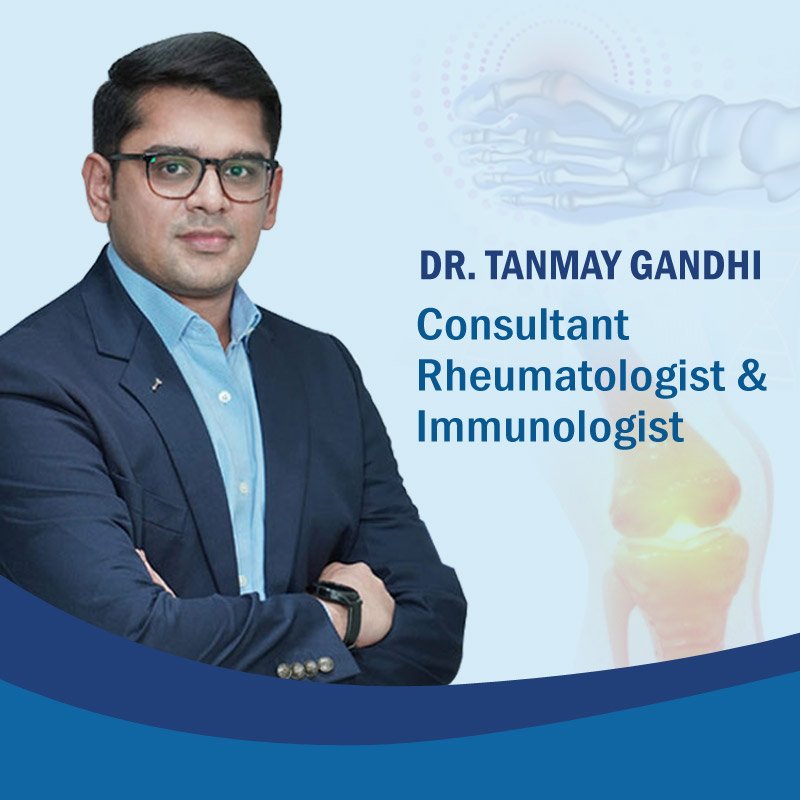
[space height=”20px;”]Dr. Tanmay Gandhi: Consultant Rheumatologist and Clinical Immunologist in Nagpur
Dr. Tanmay Gandhi is a distinguished Consultant Rheumatologist and Clinical Immunologist practicing in Nagpur, specializing in the diagnosis and management of a wide range of autoimmune and inflammatory conditions that can lead to bone weakness. As a leading Chronic Pain Rheumatologist, Dr. Gandhi provides comprehensive care for patients with conditions such as Ankylosing Spondylitis Treatment, Lupus Treatment, and Psoriatic Arthritis (PsA) Treatment. His expertise in Immunodeficiency Diagnosis and treating complex diseases, along with offering modern therapeutic options, including Biologics for Autoimmune Diseases and Immunosuppressants Treatment, makes him an invaluable asset for patients. His practice is focused on providing personalized treatment plans, utilizing advanced diagnostic methods to address bone health issues effectively.
[space height=”20px;”]Understanding Bone Weakness: Symptoms, Causes, and Treatment
Bone weakness can be a silent condition, often progressing without noticeable symptoms until a fracture occurs. It is crucial to consult an Experienced Rheumatologist for an accurate diagnosis.
[space height=”20px;”]Symptoms of Bone Weakness
The most common sign of bone weakness is a fracture that occurs from a minor fall or even a simple cough. Other symptoms can include:
- Loss of height over time.
- A stooped posture.
- Back pain, often caused by collapsed vertebrae.
- Joint Swelling Treatment in conjunction with weak bones, which might suggest an underlying inflammatory condition like Psoriatic Arthritis (PsA) Treatment.
- Chronic, unexplained pain in the bones or joints.
Causes of Bone Weakness
Bone weakness can result from various factors, including aging, hormonal changes, and medical conditions.
- Osteoporosis: The most common cause, where bone density decreases, making bones fragile.
- Autoimmune Diseases: Conditions like Ankylosing Spondylitis Treatment and Lupus Treatment can cause inflammation that affects bone health. A Multidisciplinary Autoimmune Clinic is essential for managing these complex cases.
- Nutritional Deficiencies: Lack of calcium and Vitamin D can severely impact bone density.
- Medications: Long-term use of certain drugs, such as corticosteroids.
- Hormonal Imbalances: Postmenopausal women are at higher risk due to a drop in estrogen levels.
Procedure of Treatment
The treatment for bone weakness is tailored to the underlying cause. A Bone Weakness Doctor will typically use the following methods:
- Diagnosis: A doctor will perform a physical exam and may order tests such as a bone density scan (DEXA scan) to measure bone mass. In some cases, a Biopsy for Autoimmune Disease may be performed to rule out or confirm a specific condition.
- Medications: Treatment can include Immunosuppressants Treatment for autoimmune diseases, or specific bone-building drugs and bisphosphonates for osteoporosis.
- Lifestyle Changes: Diet rich in calcium and vitamin D, and regular weight-bearing exercise are crucial for maintaining bone health.
- Biologics for Autoimmune Diseases: For inflammatory conditions like Psoriatic Arthritis (PsA), biologics can effectively reduce inflammation, which in turn helps protect bone density. This highlights the importance of an Advanced Rheumatology Hospital.
FAQs on Bone Weakness
Q: Is bone weakness a natural part of aging?
A: While bone density naturally decreases with age, severe bone weakness like osteoporosis is not an inevitable part of aging. With proper Bone Weakness Doctor consultation, a healthy diet, and exercise, bone strength can be maintained.
Q: Can Lupus Treatment or other autoimmune disease treatments also help with bone weakness?
A: Yes. Many autoimmune diseases cause chronic inflammation that can weaken bones. Treating the underlying disease with Immunosuppressants Treatment or Biologics for Autoimmune Diseases can reduce inflammation and help protect bone density.
Q: Do all bone fractures indicate bone weakness?
A: Not necessarily. While a fracture from a minor trauma can be a sign of bone weakness, a doctor must evaluate the situation. A bone density scan is the most effective way to determine if you have osteoporosis.