
Understanding and Navigating Lupus Treatment
Lupus Treatment Nagpur : Lupus is a complex and chronic autoimmune disease in which the body’s immune system attacks its own tissues and organs. There is currently no cure for lupus, but with appropriate and timely Lupus Treatment, individuals can effectively manage their symptoms, minimize organ damage, and improve their quality of life. Treatment strategies are highly personalized, depending on the specific symptoms and organs affected, as lupus can manifest differently in each person.
[space height=”20px;”]Key Aspects of Lupus Management
Effective Lupus Treatment involves a multifaceted approach, typically guided by an Experienced Rheumatologist. The primary goals of treatment are to:
- Reduce inflammation and pain
- Prevent or minimize flares (periods of increased disease activity)
- Prevent organ damage
- Manage symptoms like fatigue and joint pain
Medication Therapies
A variety of medications are used in Lupus Treatment, often in combination, to target different aspects of the disease:
- Nonsteroidal Anti-inflammatory Drugs (NSAIDs): To help with pain and inflammation.
- Antimalarial Drugs: Medications like hydroxychloroquine are often a cornerstone of lupus treatment, helping to reduce flares, skin problems, and joint pain, as well as protecting against organ damage.
- Corticosteroids: Such as prednisone, these powerful anti-inflammatory drugs can quickly control flares and inflammation but are typically used short-term due to potential side effects.
- Immunosuppressants Treatment: These medications, like azathioprine and methotrexate, help to suppress the overactive immune system and are crucial for managing more severe lupus and preventing organ damage.
- Biologics for Autoimmune Diseases: Newer biologic drugs that target specific proteins in the immune system are also used in Lupus Treatment, particularly for those with severe or refractory disease.
Managing Specific Symptoms and Complications
Lupus Treatment also involves addressing the specific symptoms and potential complications that can arise:
- Joint Swelling Treatment: Various medications and therapies, including physical therapy, can help manage joint pain and swelling.
- Eczema Treatment (Allergic) and skin rashes: Topical and systemic treatments are used for skin manifestations of lupus.
- Kidney disease (lupus nephritis): Requires aggressive immunosuppressive therapy and careful monitoring.
- Heart and lung complications: Managed by appropriate specialists and medications.
- Dry Eyes Dry Mouth Specialist (for Sjögren’s): Since Sjögren’s syndrome can occur alongside lupus, a specialist may be involved in managing these sicca symptoms.
- Chronic Pain Rheumatologist: Lupus often causes chronic pain, requiring a tailored pain management plan.
- Chronic Fatigue Syndrome Specialist: Fatigue is a common and debilitating symptom of lupus, and strategies to manage it are an important part of treatment.
The Importance of a Specialized Clinic
Optimal Lupus Treatment often occurs within a Multidisciplinary Autoimmune Clinic. These centers, sometimes associated with the Best Rheumatology Hospital or Top Immunology Hospital, bring together a team of specialists who can provide comprehensive and coordinated care. This may include rheumatologists, nephrologists, dermatologists, cardiologists, and other healthcare professionals.
In some cases, diagnosis may involve a Biopsy for Autoimmune Disease to confirm lupus or assess its impact on specific organs. For individuals experiencing persistent pain, consulting a Chronic Pain Rheumatologist within such a clinic can be particularly beneficial. Furthermore, for those with suspected immune deficiencies alongside lupus, an Immunodeficiency Diagnosis can also be explored.
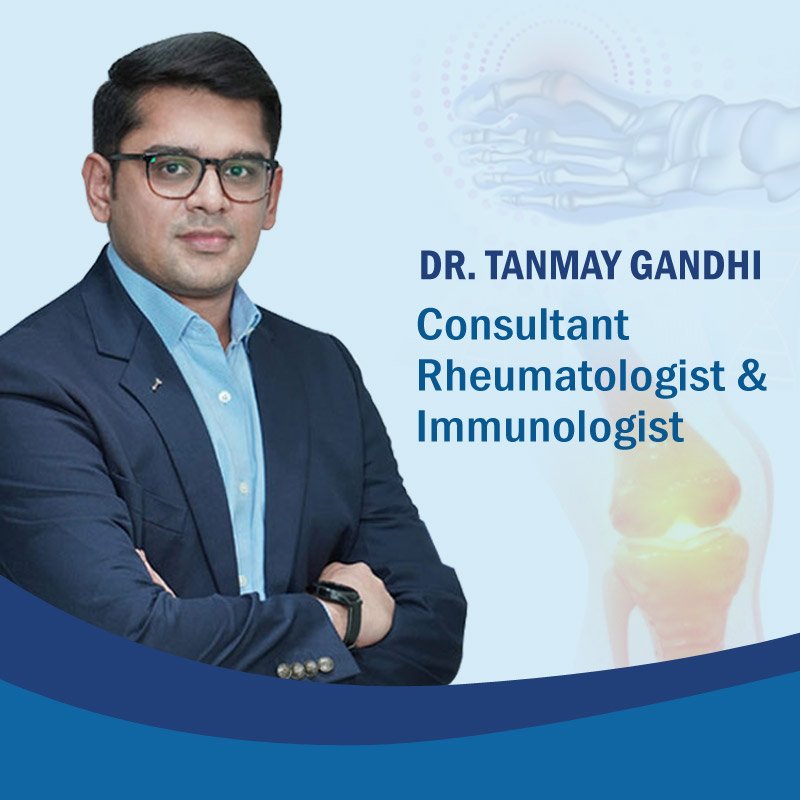
[space height=”20px;”]Dr. Tanmay Gandhi: Consultant Rheumatologist and Clinical Immunologist practicing in Nagpur
Dr. Tanmay Gandhi is a leading Consultant Rheumatologist and Clinical Immunologist practicing in Nagpur, Maharashtra, India, with extensive experience in the comprehensive Lupus Treatment. He is dedicated to providing individualized care, employing the latest advancements in medical therapies, including Biologics for Autoimmune Diseases and various Immunosuppressants Treatment, to effectively manage lupus symptoms and prevent disease progression in his patients. Dr. Gandhi’s patient-centered approach ensures that individuals receive thorough evaluations and tailored treatment plans to address their specific needs, helping them navigate the complexities of lupus and improve their overall well-being. As an Experienced Rheumatologist, he is committed to staying abreast of the latest research to offer the most effective and evidence-based care for lupus patients in the Nagpur region.